Professional testing Clear explanations Care-led experience
How we can help
Focused testing. Thoughtful care.
When something doesn’t feel right, clarity matters. Our assessments are designed to give you useful insight in a calm, supportive setting.
01 / 06
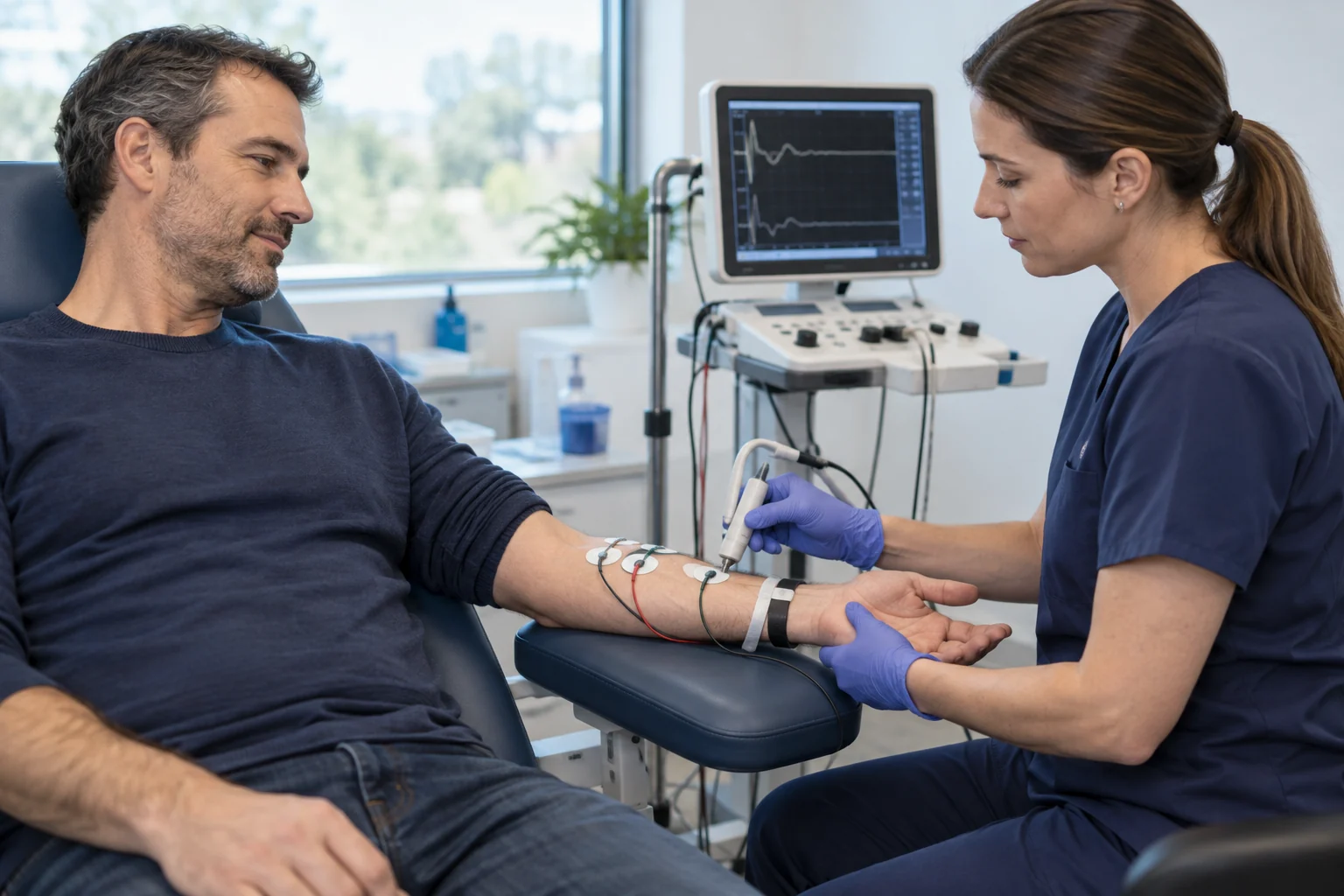
NCV
Nerve Conduction Velocity
Measures how quickly electrical signals travel through your nerves.
02 / 06
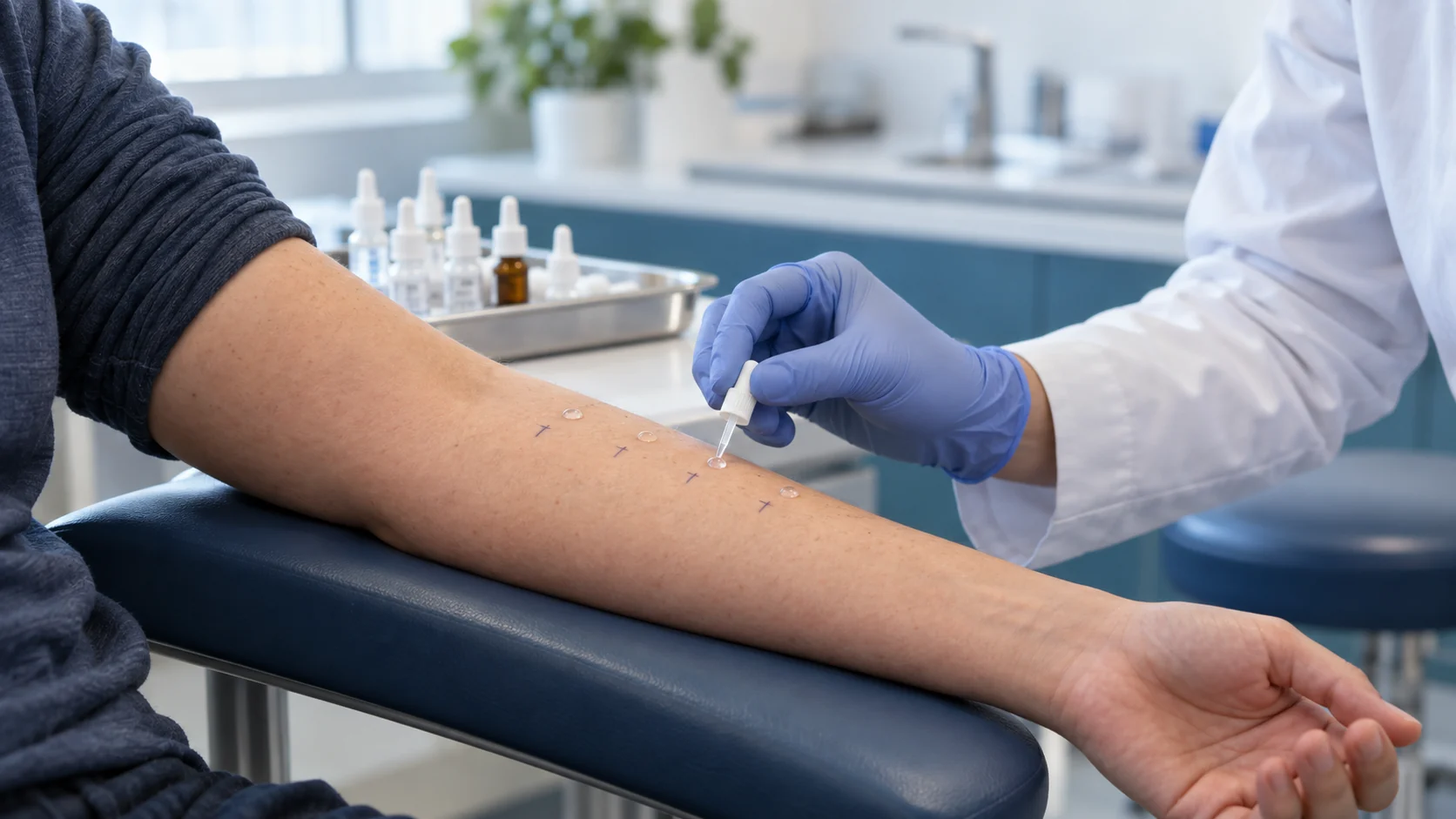
Skin Allergy Test
Allergy testing
Helps identify substances that may trigger allergic reactions.
03 / 06
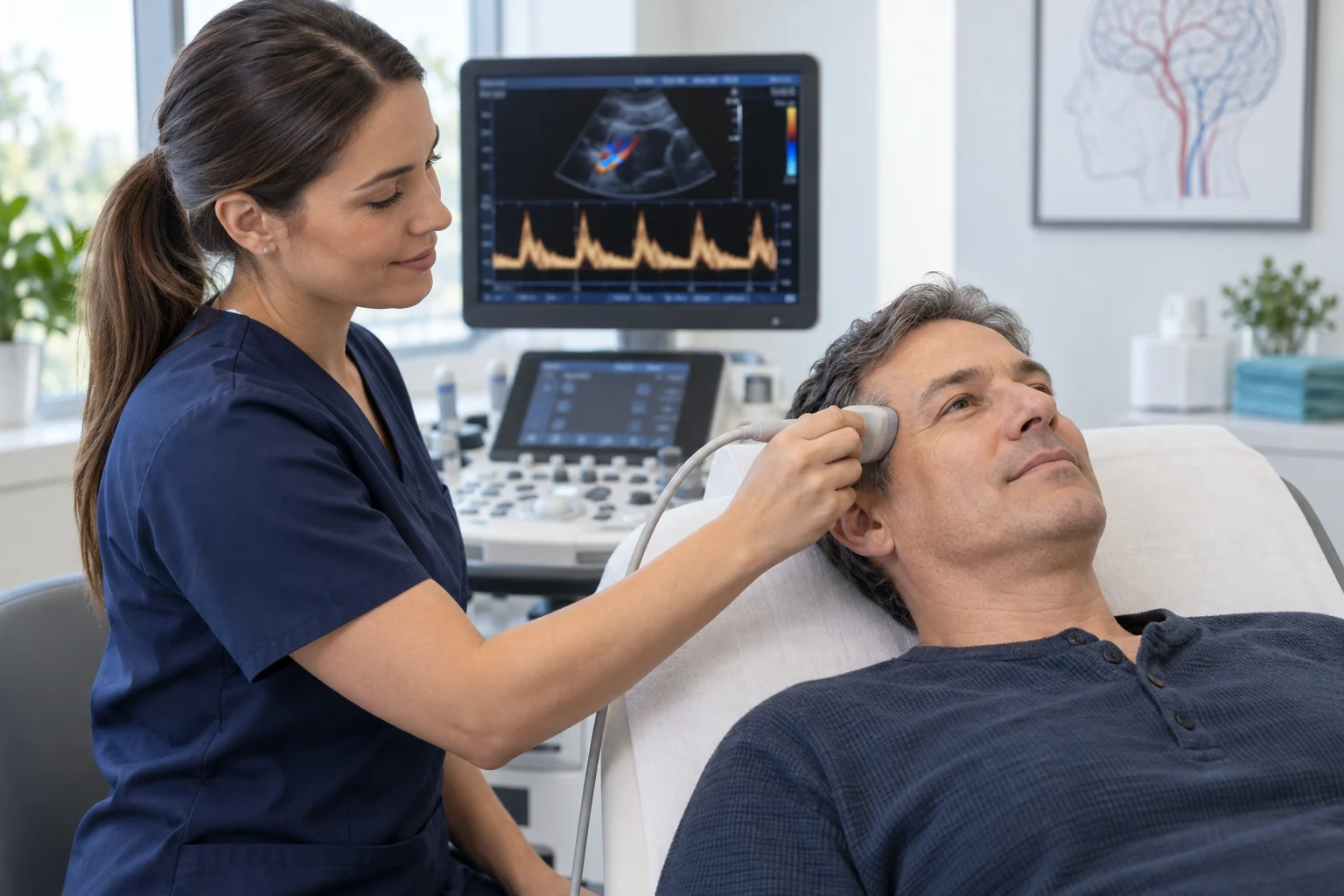
TCD
Transcranial Doppler ultrasound
Measures blood-flow speed in arteries within the brain.
04 / 06
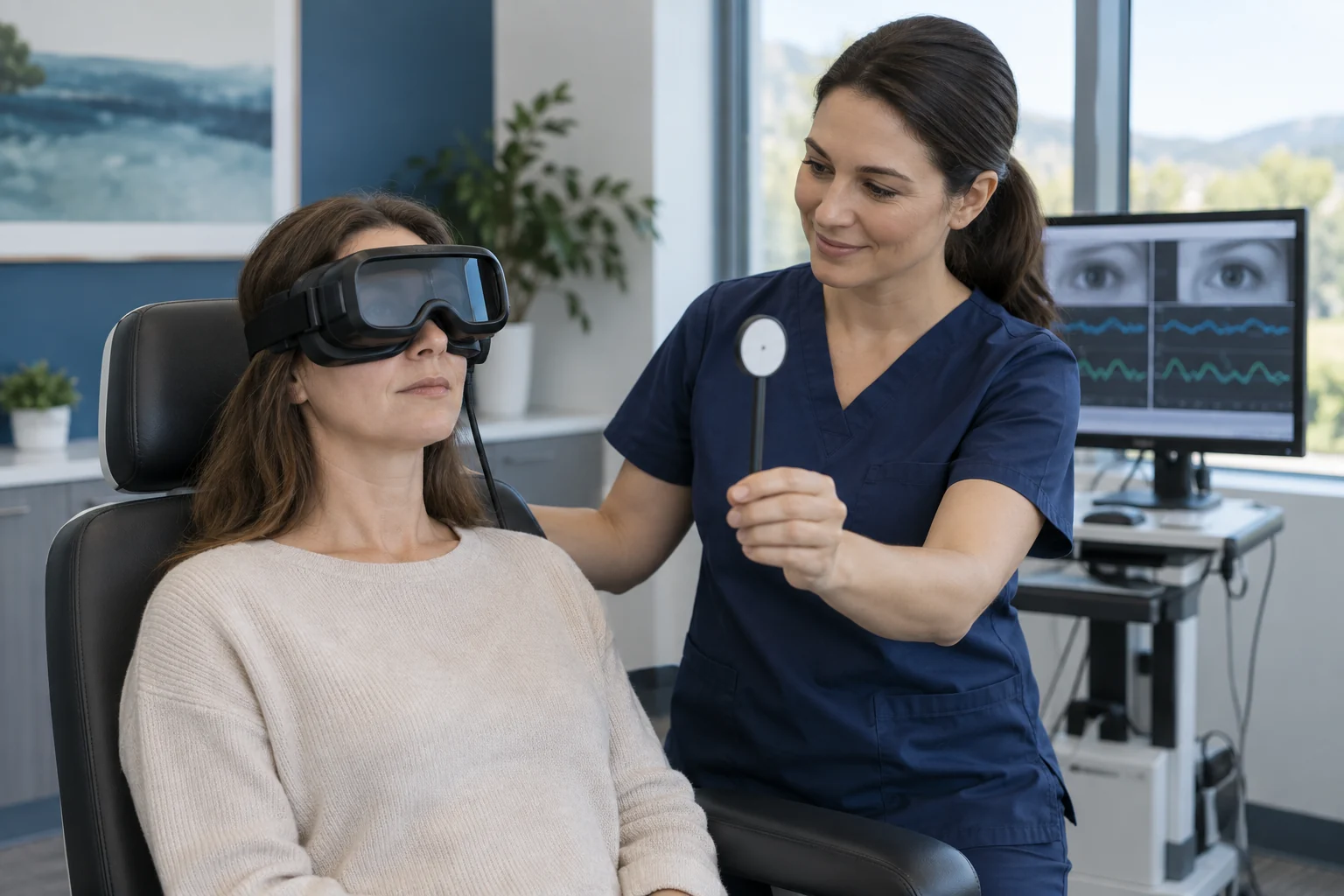
VNG
Videonystagmography
Records eye movements to help evaluate balance function.
05 / 06
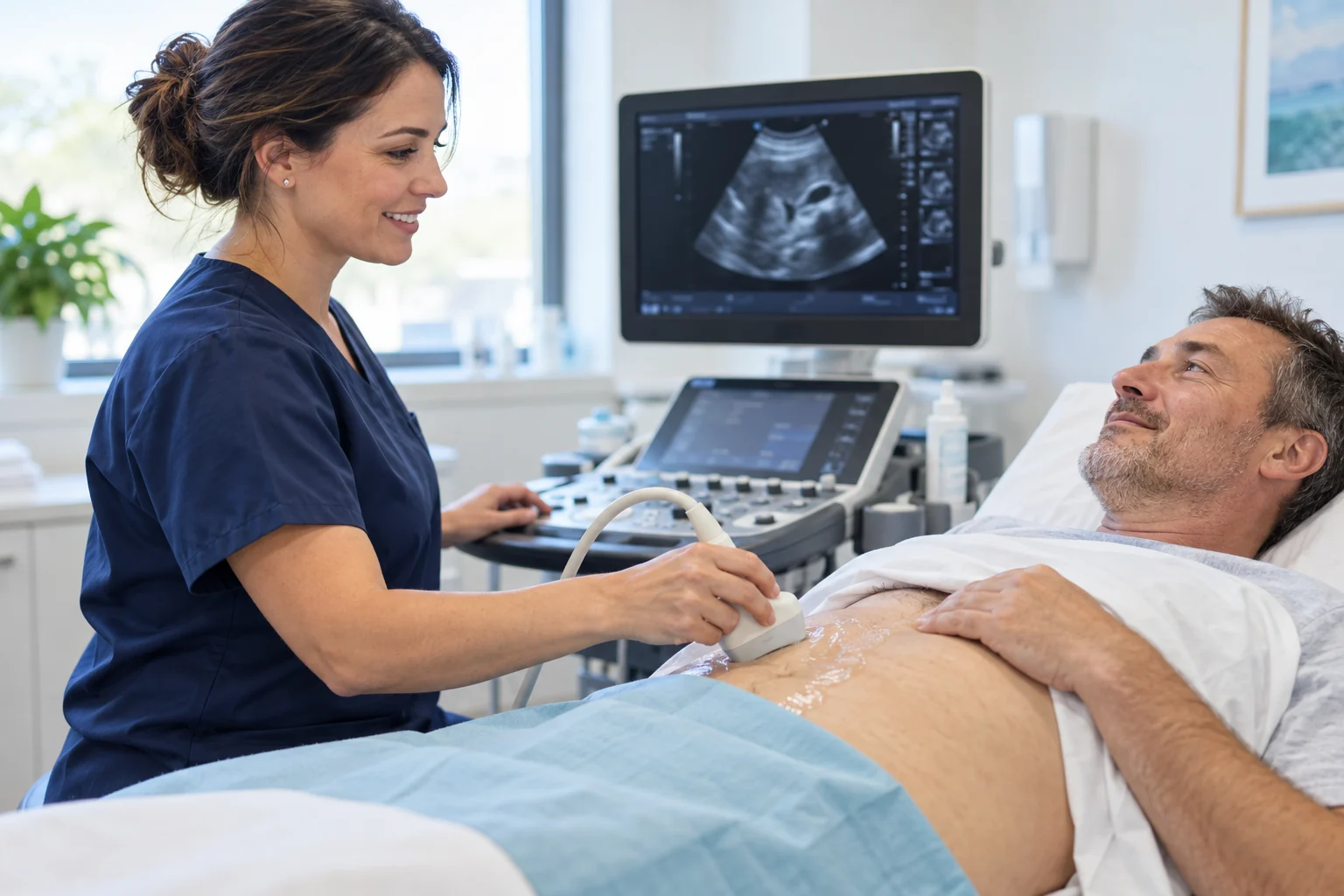
Ultrasound
Diagnostic sonography
Uses sound waves to image organs and soft tissues.
06 / 06
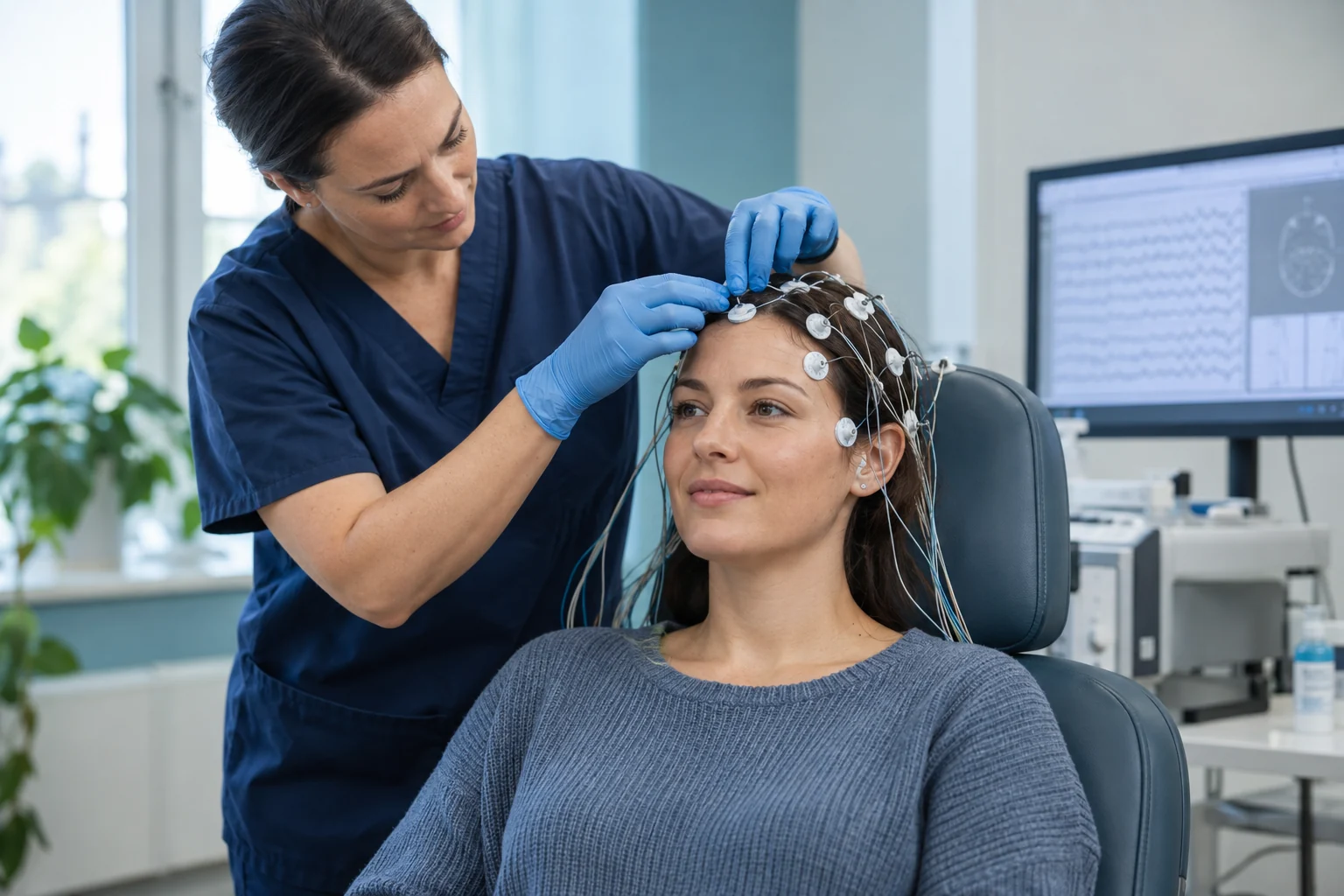
EEG
Electroencephalogram
Records the electrical activity of your brain.
VitaSense / Tests / NCV
NCV.
See how your nerves are communicating.
01 / 06 Nerve Conduction Velocity
What is NCV?
A nerve conduction study measures responses to small electrical impulses delivered at the skin. It helps assess how signals travel through nerves in the arms or legs.
01
When it may help.
Numbness or pins and needles
Muscle weakness
Possible trapped nerve or nerve damage
02
What to expect.
Small recording electrodes are placed on the skin.
Brief electrical pulses stimulate a nerve and its response is recorded.
You may feel a short tapping or tingling sensation.
03
Before your test.
Wear comfortable clothing that allows access to the area being tested. Bring a list of your medicines and follow any instructions from your care team.
04
Understanding results.
A specialist reviews the size and speed of the nerve responses alongside your symptoms and history, then shares a report with your referring clinician.
Clear answers begin with a conversation.
Testing and preparation may vary. Your care team will confirm what applies to you.
A skin prick test checks for a reaction to selected allergens. Small drops are placed on the skin and the surface is gently pricked; the response is then measured and interpreted with your history.
01
When it may help.
Suspected reactions to pollen or dust mites
Possible animal or food allergy
Symptoms that need targeted investigation
02
What to expect.
Small drops of selected allergens are placed on your forearm.
The skin is gently pricked through each drop.
The team usually checks for a response after about 15–20 minutes.
03
Before your test.
Some medicines, including antihistamines, can affect results. Follow your own appointment instructions and check with your care team before stopping any medication.
04
Understanding results.
A clinician interprets any skin response in the context of your symptoms. A positive result alone does not establish the whole diagnosis.
Clear answers begin with a conversation.
Testing and preparation may vary. Your care team will confirm what applies to you.
Transcranial Doppler (TCD) uses sound waves to measure the speed and direction of blood flow in major arteries within the brain. A small probe rests against selected areas of the head or neck. The standard test does not use radiation.
01
When it may help.
Evaluation of narrowed brain arteries
Monitoring blood-flow changes after stroke or TIA
Assessing vasospasm or sickle cell-related stroke risk when indicated
02
What to expect.
You sit or lie comfortably while gel is applied to selected areas of your head or neck.
A technologist moves a small probe over the skin and may ask you to keep still.
You may hear a whooshing sound or feel light pressure; test duration varies.
03
Before your test.
A standard TCD usually needs no special preparation. Follow your appointment instructions, including any advice about contact lenses; specialized studies may require separate instructions.
04
Understanding results.
A physician reviews the recordings and sends a report to your ordering provider, who explains the findings and whether follow-up is needed.
Clear answers begin with a conversation.
Testing and preparation may vary. Your care team will confirm what applies to you.
VNG uses camera-equipped goggles to record eye movements. The patterns can give clinicians information about how the balance system is working.
01
When it may help.
Persistent or recurring dizziness
A spinning sensation (vertigo)
Unsteadiness or balance difficulties
02
What to expect.
You wear video goggles while eye movements are recorded.
You may follow visual targets or change head and body positions.
Some assessments include warm or cool stimulation of the ears and may briefly cause dizziness.
03
Before your test.
Your care team will send instructions for your specific assessment. Ask them before changing any medication; certain medicines and eye makeup may affect the test.
04
Understanding results.
The recordings are reviewed with your symptoms and medical history to help guide appropriate follow-up care.
Clear answers begin with a conversation.
Testing and preparation may vary. Your care team will confirm what applies to you.
Ultrasound uses high-frequency sound waves to create real-time images of organs and soft tissues. Doppler ultrasound can also assess blood flow. Your clinician's order determines which area is examined.
01
When it may help.
Abdominal or pelvic concerns
Thyroid or other soft-tissue evaluation
Blood-flow assessment when ordered
02
What to expect.
For most external scans, you lie on an exam table while gel is applied to the area.
A sonographer moves a small probe over your skin and may apply gentle pressure.
The time needed depends on the type and extent of your scan.
03
Before your test.
Preparation depends on the exam. You may be asked to fast or arrive with a full bladder. Follow your care team's specific instructions and wear comfortable clothing.
04
Understanding results.
A physician reviews the images and sends a report to your ordering provider, who explains the findings and any next steps.
Clear answers begin with a conversation.
Testing and preparation may vary. Your care team will confirm what applies to you.
A closer look at your brain’s electrical activity.
06 / 06 Electroencephalogram
What is EEG?
An EEG records electrical activity from the brain using small electrodes placed on the scalp. It can help a clinician investigate seizures and other concerns about brain activity.
01
When it may help.
Suspected seizures or epilepsy
Episodes of altered awareness
Monitoring a known neurological condition
02
What to expect.
Small electrodes are attached to your scalp.
You rest while the recording is made.
You may be asked to open and close your eyes, breathe deeply, or look at a flashing light.
03
Before your test.
Arrive with clean, dry hair and avoid styling products. Follow any specific sleep or medication instructions given by your care team.
04
Understanding results.
A specialist reviews the recording alongside your symptoms and history. Your referring clinician explains the findings and any next steps.
Clear answers begin with a conversation.
Testing and preparation may vary. Your care team will confirm what applies to you.
VitaSense provides diagnostic testing for patients across New York City. Our tests include nerve conduction studies (NCS/NCV), EEG, skin allergy testing, transcranial Doppler (TCD), VNG balance testing, and diagnostic ultrasound. Contact our team to confirm availability for the test your clinician ordered.
We serve patients across the Bronx, Brooklyn, Manhattan, Queens, and Staten Island. Contact our team to confirm where your appointment will take place and any preparation or referral requirements.
We begin by listening to your concerns, then explain the test before we start. Your results and suitable next steps are discussed in clear, everyday language.
Preparation can vary by test. Once your appointment is confirmed, we will send simple guidance tailored to the assessment you have booked.
Absolutely. We make space to talk through your findings so you leave with a clear understanding of what they mean and what to do next.
Where we operate
New York. Closer to you.
We serve patients across all five New York City boroughs: the Bronx, Brooklyn, Manhattan, Queens, and Staten Island. Select your borough below or tap it on the map to plan your appointment request.
NEW YORK CITY Areas we serve
Serving patients acrossAll five NYC boroughs
Choose your appointment area
Select a borough to include it in your request. You can change it in the form.